Kemora Journal · 2026
Sleep and the shape of recovery · Updated 12 October 2026

Let the evening become a transition
Sleep is influenced by timing, light, stress, health, environment, and chance. A routine cannot solve every difficulty, but it can reduce the number of decisions the nervous system has to make at night.
Try protecting a consistent wake time, dimming bright light before bed, and keeping the bedroom comfortable, quiet, and associated with rest.
A gentler evening checklist
- Finish stimulating work with a written next step for tomorrow.
- Choose a small, repeatable wind-down cue such as reading or stretching.
- Keep caffeine timing and late meals in view without treating them as universal rules.
- If you cannot sleep, leave the bed briefly for a quiet activity and return when drowsy.
When to seek help
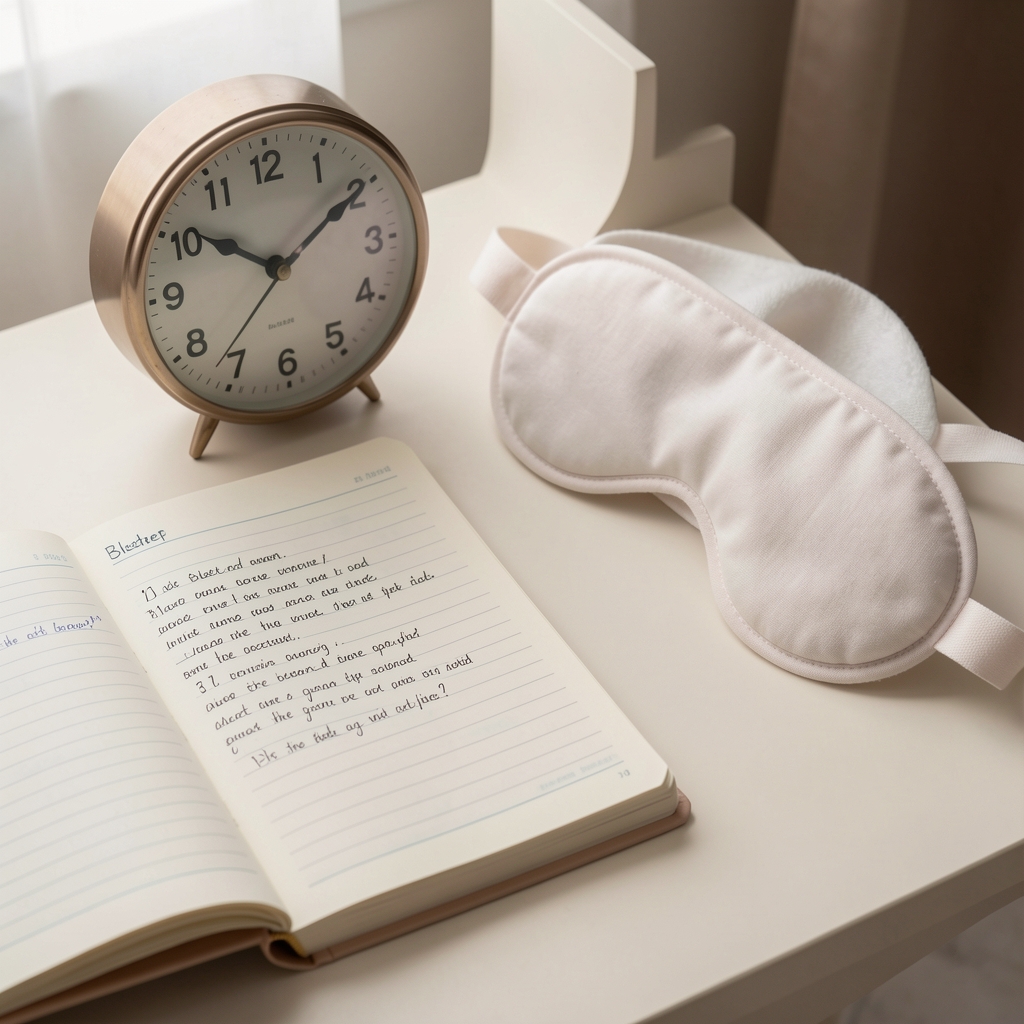
Frequent loud snoring, breathing pauses, persistent insomnia, severe daytime sleepiness, or a major change in sleep deserves medical attention. Record patterns for a short period and bring useful observations to a clinician.
Recovery is broader than sleep
Quiet walks, nourishing meals, social contact, and manageable work boundaries all influence how rested life feels. The goal is not to control every night; it is to create conditions that make recovery more likely.