Before leaving
- Check heat, rain, air quality, and daylight.
- Wear footwear suited to the surface.
- Carry water and a simple way to contact someone.
Kemora Journal · 2026
Field guide · 2026
Outdoor time can offer light, movement, sensory variety, and perspective. Choose shade and timing that suit local heat, air quality, access, and personal comfort.
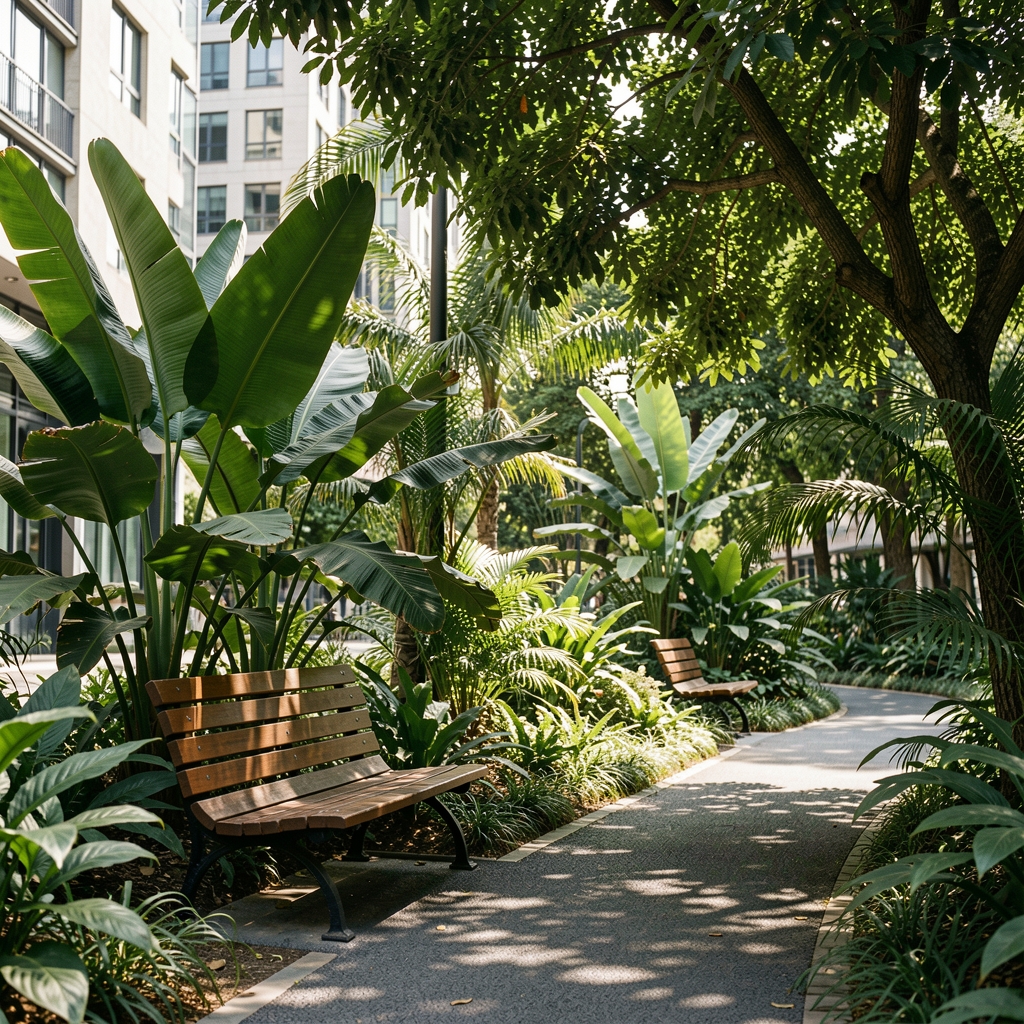
For Kemora readers in Jakarta and elsewhere, outdoor time does not need to mean a long expedition. A quiet courtyard, a shaded footpath, a balcony with plants, or a short walk between commitments can create a change of setting. The useful question is not how impressive the destination looks, but whether the place fits your schedule, energy, mobility, and sense of safety.
Start by observing the environment. Note the surface underfoot, traffic, crowding, noise, drainage, lighting, and access to water. These details influence whether an outing feels repeatable. If weather changes quickly, build a flexible option indoors rather than treating a cancelled plan as a failure.
Check weather, carry water, use sun protection, and choose routes that feel safe. A balcony, courtyard, market street, or nearby tree-lined path can all count.
Planning is a practical form of respect for local conditions. In Central Jakarta, heat and sudden rain can alter a route within minutes, while traffic and air quality can vary by hour. Consider going earlier, choosing a shaded loop, checking public access, and telling someone your approximate route when exploring an unfamiliar place.
| Setting | Useful for | Things to consider |
|---|---|---|
| Tree-lined street | Short walks and observation | Traffic, shade, crossings, and footpath condition |
| Public park | Slower movement and pauses | Opening times, seating, lighting, and crowd levels |
| Courtyard or balcony | Brief air and sensory breaks | Heat, privacy, plants, and safe footing |
| Waterfront or open field | Longer unhurried outings | Sun exposure, wind, facilities, and return transport |
A comparison table cannot decide for you. It simply turns an abstract intention into observable features. A nearby route that is used twice a week may offer more value than a beautiful destination that requires complicated travel.
Progress here is measured by fit and repeatability, not by a fixed distance or a public performance. If outdoor activity brings unusual discomfort or raises a personal concern, pause and seek appropriate local advice.
Nature does not need to be dramatic to be useful; a familiar patch of shade can become a dependable pause.
Attention can be as simple as noticing three sounds, the direction of light, the texture of a wall, or the pace of people sharing the path. This kind of observation gives an outing a purpose without turning it into a test. It also helps you learn which environments support calm focus and which create avoidable strain.
Kemora treats outdoor practice as contextual. Access differs across neighbourhoods, seasons, work schedules, disability needs, family responsibilities, and transport options. Choose the version that is available to you, and keep safety, dignity, and local conditions at the centre.
Distance from home, predictable opening hours, shade, lighting, toilets, seating, and a manageable return journey often matter more than scenery.
Use a balcony, a quiet building corridor, a market street, or a window with daylight. The goal is contact with a different sensory setting, not a specific landscape.
Choose cooler hours, carry water, use shade, shorten the route, and stop when conditions no longer feel suitable.
Agree on a pace and meeting point, make room for different mobility needs, and let conversation remain optional.